Navegando por
Autor: Verónica

Las Víctimas y el Estatuto de Roma

Las Víctimas y el Estatuto de Roma

  • LAS VÍCTIMAS Y EL ESTATUTO DE ROMA

    Felipe Michelini

    05.07.2018

    En el mundo de hoy hay muchos discursos y acciones que afirman el aislamiento, el unilateralismo, la criminalizan de la inmigración, negando a la vez los derechos humanos. El sistema del Estatuto de Roma (ER) que creó la Corte Penal Internacional (CPI), se basa en lo contrario.

    La X Reunión organizada por la CPI realizada en junio pasadoen la emblemática sede de la Unión de América del Sur (UNASUR) en Quito, refleja el interés y compromiso de los Estados partes de América Latina con los fines y propósitos del  ER y la lucha contra la impunidad.

    Identificar y esclarecer los crímenes de genocidio, de guerra, de lesa humanidad y de agresión, someter a los sospechosos a la justicia con todas las garantías del debido proceso, y de hallarlos culpables condenarlos de acuerdo a derecho, ubica a la justicia como valor universal, de las Américas y de América Latina.

    LA CPI contribuye a la prevención. No es un capricho, pues como dice el Preámbulo del mismo que “millones de niños, mujeres y hombres han sido víctimas de atrocidades que desafían la imaginación y conmueven profundamente la conciencia de la humanidad”.

    Los crímenes que se cometen y la impunidad asociada a ellos, son flagelos que atormentan a millones de personas, comunes y corrientes.Erosionan las bases una convivencia digna. Reparar a las víctimas y sus familiares así como a las comunidades afectadas, es mitigar en parte el daño causado y restituir antes que nada, la dignidad de las personas.

    El ER creó un sistema con la Corte como eje central, complementado por la Fiscalía, la Asamblea de Estados Partes y el Fondo Fiduciario en Beneficio de las Víctimas (FFBV).


    El principio es que la CPI tiene una competencia complementaria de las jurisdicciones nacionales. Actúa si aquellas no puedan o no quieran juzgar. El sistema no es contra nadie, contra ningún estado o región, es por la dignidad humana. En resumen, civilización o barbarie.

    Sin perjuicio de la punición y prevención, el sistema se centra en la víctima sobre la base de la reparación integral de ésta, incluida la restitución, la indemnización y la rehabilitación.El FFBV es una parte esencial del sistema y actúasobre dos  bases muy definidas: el cumplimiento de las sentencias dictadas por la CPI y el mandato asistencia.

    Han habido sentencias reparatoriasa víctimas en los casos de Lubanga por alistamiento y reclutamiento de menores de edad, el de Katanga por crímenes de lesa humanidad de homicidio, ambas situaciones en la República Democrática del Congo, y en el caso de Al Mahdi por destrucción de edificios religiosos en Mali.

    La asistencia atiende las comunidades afectadas, las víctimas y sus familiares, en tanto existan situaciones de competencia de la Corte, pero están independizadas de los avatares procesales de dicha situación a los efectos de la rehabilitación física, psicológica y apoyo material.

    La acción del FFBVes parecida a lo que sería una intervención humanitaria, pero su base conceptuales otra. La víctima más allá de haber sido objeto de crímenes aberrantes, él o ella, ante todo es una persona humana. Como tal tiene dignidad y derechos y la comunidad internacional, de esta forma -más allá de las consecuencias penales para los perpetradores- asume que es imperioso repararla por derecho, reconociéndola como persona humana a la que se le debe tratar con dignidad.

    En una década, el FFBV ha hecho mucho: más de 100 000 beneficiarios directos y más de 300 000 indirectos en Uganda y la República Democrática del Congo. Cifra importante, pero vista la realidad, insuficiente.

    Hay una necesidad y un reclamo, de expandir las actividades en Kenia, Costa de Marfil, Malí y República Centroafricana. La reciente decisión del FFBV de actuar en los miles de sobrevivientes identificados en la situación del caso Bemba en ocasión de crímenes de guerra y de lesa humanidad de violación y homicidio en la República Centroafricanaes una luz en la oscuridad que demuestra que aún en el caso de falta de castigo penal, hay mecanismos para atender a los que han sufrido tales barbaridades.

    Nuestros pueblosson testigos vivientes de esas situaciones, y estamos determinados a que no se repitan, no las olvidamos y las tenemos bien presente para prevenir situaciones similares. Más allá de lasatrocidades cometidas por estados o por ciertas organizaciones, prefiero resaltar a aquellos que sobreponiéndose al temor han podido denunciar resistir y solidarizarse frente a los atropellos.

    El sistema interamericano de protección de los derechos humanos avanzó en una jurisprudencia ya consolidada, centrada en las víctimas y sus familiares, reconociendo las directas e indirectas, incluyendo las definiciones de familia y dignidad de los pueblos originarios, asumiendo elementos flexibles para identificar la causa, así como la carga de la prueba. Ello fue incorporado en los casos ante la CPI de Lubanga, Katanga y Al Mahdi, aplicando los principios conocidos como de Cherif Bassiouni y Sr. Theo van Boven.

    Esta interpretación y aplicación de las normas proviene de juristas formados en nuestra región, inspirados en un  derecho garantista que se refleja en los instrumentos interamericanos, ratificando el compromiso ético, político y jurídico en la lucha contra la impunidad.

    No todo son logros:la región ha sido lenta en la aprobación de normas que adecuen el ER a las de los ordenamientos jurídicos nacionales y renuente en el plano financiero.

    ¡Queda mucho por hacer! La globalización permite utilizar el ER, para cuando las respuestas locales de prevención y punición no funcionan en caso de sucederse crímenes aberrantes, sobre la base del principio de complementariedad -no de sustitución-, para que no haya impunidad. Permite reivindicar a las víctimas de estos gravísimos hechos.  Es en definitiva ésta la diferencia entre la civilización y la barbarie.
    http://www.uypress.net/auc.aspx?87766

Fighting for the victims of crimes against humanity, at home and abroad – BsAs Times

Fighting for the victims of crimes against humanity, at home and abroad – BsAs Times

Fighting for the victims of crimes against humanity, at home and abroad

Uruguayan lawyer Felipe Michelini discusses the personal motivations behind his work with the International Criminal Court (ICC) and his own nation’s Working Group for Truth and Justice.

Saturday 24 March, 2018

Isabella Soto

COURTESY ICC TFV
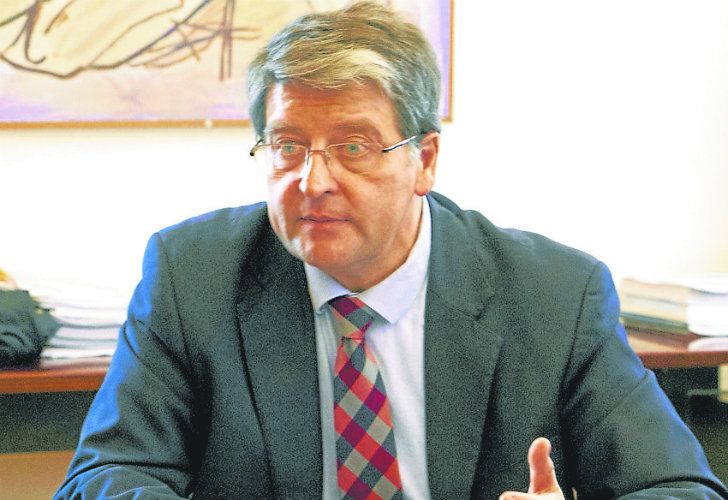
COURTESY ICC TFV Foto:Dr. Felipe Michelini.

For Dr. Felipe Michelini, working to ensure those who commit crimes against humanity face justice is personal.

He is the son of Uruguayan journalist and politician, Zelmar Michelini, one of the founders of Uruguay’s Frente Amplio (Broad Front) coalition, who was assassinated and found dead in Buenos Aires during the initial few months of Argentina’s last military dictatorship (1976-1983).

A lawyer by trade, Felipe has represented the Americas and Caribbean States on the board for the International Criminal Court’s Trust Fund for Victims since 2016. He also currently serves as an honorary member of Uruguay’s Working Group for Truth and Justice.

Michelini, a former congressman, comes from a big family. He remarks that himself and his nine siblings were very politically involved, and says while at university he began to get involved in student resistance movements. Once he moved to New York City to study at Columbia Law School, his career took an international turn.

INTERNATIONAL TURN

Today, he is dedicated to his work. The ICC’s Trust Fund for Victims operates on two basic mandates. The reparations mandate, as explained on the Fund’s website, allows the TFV to collect “fines or forfeitures from a convicted individual in a war crimes case, in order to provide reparations awards to victims.” The assistance part of the mandate allows for the TFV to work with affected communities, victims, and their relatives, without having to depend on their criminal proceedings.

Michelini specifically highlights the assistance mandate as “a very important innovation,” using Uganda to illustrate his argument. Prosecutors at the ICC at The Hague have sought to put Ugandan guerrilla commanders on trial atrocities committed by the Lord’s Resistance Army (LRA) insurgency group. Michelini says that the assistance mandate has “allowed the Trust Fund to be in Uganda for 20 years,” despite the ongoing nature of both ex-guerrilla commander Dominic Ongwen’s case and the fact that ex-LRA leader Joseph Kony is still in hiding.

Michelini and the TFV, whose responsibility he describes as “respond[ing] to the harm resulting from the crimes under the jurisdiction of the ICC, by ensuring the rights of victims and their families through the provision of reparations and assistance,” recently returned from a monitoring visit to Uganda to check up on the current TFV projects in the country and speak with victim survivors and affected communities.

“We had the urgent situation of poverty and very harsh living conditions, but with the impact of 10-15 years of war, it has impacted the whole country. The Lord’s Resistance Army that was led by Mr. Kony had incorporated such crimes as rape in a systematic way, and spread forced enlistment of children of a very [young] age and used them in combat. The kind of crimes we’re talking about are really serious,” he elaborated.

The TFV, working with national and international partners in the field, is working to have physical rehabilitation, psychological rehabilitation, and material support available for all victims of crimes against humanity.

CLOSER TO HOME

Quizzed about the TFV’s role in South America, Michelini specifies that the recent past of state terrorism in Uruguay, Argentina, and Chile do not come under the jurisdiction of the ICC because they took place before the Rome Statute, which established the ICC and the TFV.

The same applies to the conflicts of Nicaragua, El Salvador and Honduras.

“I will say,” Michelini exempted, “that can be the case with Colombia, with its ongoing investigation and with Venezuela.”

Michelini’s work in his home country is currently centred on the Working Group for Truth and Justice, an initiative started by President Tabaré Vázquez. The group, which brings together political and religious figures and victims, which has been found itself in the spotlight of late, following the recent withdrawal of the Mothers and Family Members of Detained Disappeared Uruguayans.

In a statement issued March 1, the Mothers and Family Members expressed frustration over the “immense and persistent work of asking and waiting” that they argue has not translated into real, useful information coming to light, citing the Armed Forces as “the principal obstacle in the search for the disappeared and for truth and justice” in their search for military intelligence.

“They’re not angry about the Working Group for Truth and Justice,” explains Michelini.

“They’re angry with the executive power of Uruguay and say that they wanted more commitment to force the military to talk and bring information. In that sense, they came to the conclusion that the results are not as good as they wanted them to be. And I kind of agree with that.”

Many Uruguayan military officials have made a pact where they do not confess or share the crimes they committed during the dictatorship, making the job of the Working Group doubly difficult in extracting useful information from the military, as well as having limited access to their records.

Michelini and the Working Group’s members met with President Vazquez shortly after the announcement by the Mothers and Family Members, to address their departure and the creation and integration of the Special Prosecutor for Crimes Against Humanity into the Group’s work, as Uruguay attempts to come to terms with its past.

But despite the challenges this work brings, Michelini is not disheartened. He finds comfort in the mission of both the Trust Fund and the Working Group.

“I think it’s the same topic, the struggle against the culture of impunity. The idea that there are crimes that cannot be committed. It’s hard work internationally and nationally,” said Michelini.

“It is a commitment on truth, justice, recollection, and reparation.”

http://www.batimes.com.ar/news/world/fighting-for-the-victims-of-crimes-against-humanity-at-home-and-abroad.phtml